
Simple Ways to Pick the Best Ground Cover for Your Yard
Choosing the right mulch for your landscape needs comes down to a few simple things: where it will go, what you want it to do, how much care you want later, and how your yard handles sun and water. Some mulch helps soil hold moisture. Some helps stop weeds. Some is better for flower beds, while other types work well around trees or play areas. In Kinston, NC, climate and soil can also shape what works best, so it helps to match the material to the space.
What You Need Before Starting
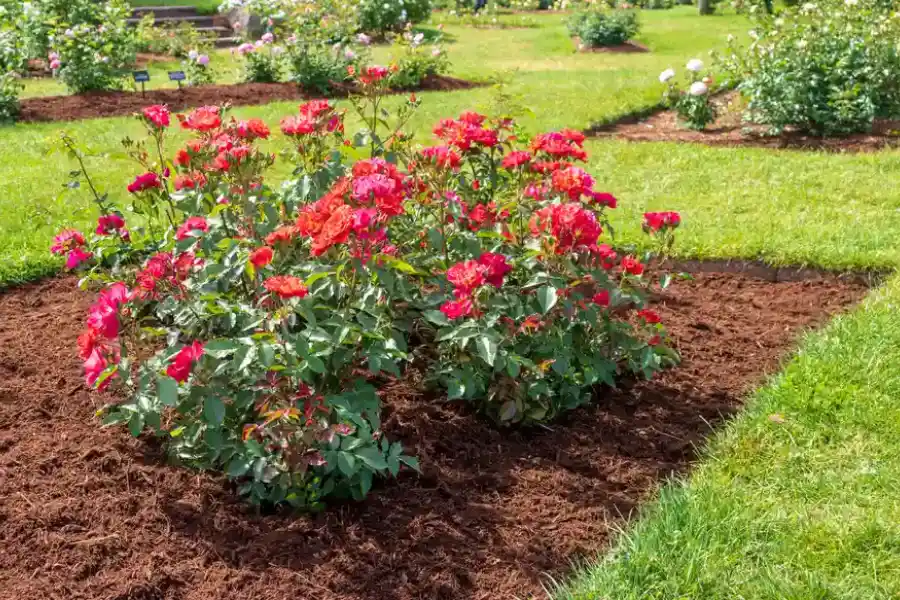
Before you start mulching, take a close look at your yard. Think about the purpose of each area. A front flower bed may need a clean, finished look. A garden bed may need better moisture control. A slope may need help with erosion. Around trees, you may want to protect roots and reduce mower damage.
You should also think about how long you want the mulch to last. Wood chips and bark often last longer than straw or shredded leaves. Stone can last for years, but it does not improve the soil the way natural mulch can. Even though this article focuses on mulching, some property owners also ask about related yard care in the same service category, such as bed edging, planting, or seasonal cleanup.
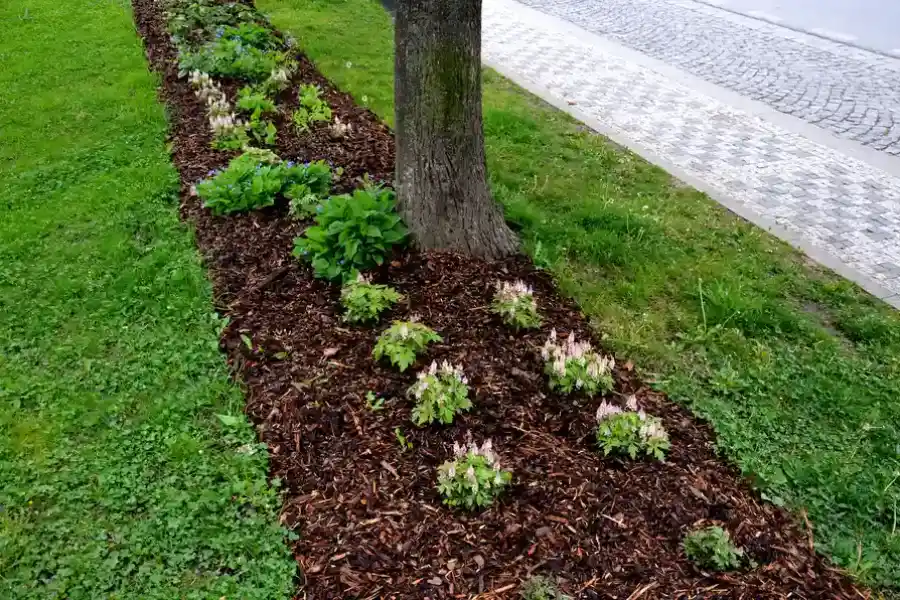
It helps to gather a few details before choosing:
- How much sun the area gets
- How fast the soil dries out
- Whether weeds are a big problem
- If kids or pets use the space
- How often you want to replace the material
- What style fits the rest of your landscape
Step-by-Step Process for Choosing the Right Mulch
A simple step-by-step plan can make the choice much easier. Instead of picking mulch by color alone, match it to the job you need done.
- Pick the area you are working on. Beds, trees, paths, and gardens may need different materials.
- Choose your main goal. You may want weed control, moisture hold, soil improvement, or a neat look.
- Decide between organic and inorganic mulch. Organic mulch includes bark, wood chips, pine straw, and leaf mulch. Inorganic mulch includes rock, rubber, and gravel.
- Think about upkeep. Organic mulch breaks down and needs to be added again. Rock lasts longer but can trap heat.
- Match the color and texture to your home and plants. Dark mulch can make green plants stand out. Natural brown often blends into most yards.
- Plan for the right depth. Most beds do well with about two to three inches. Too little may not stop weeds. Too much can hurt roots.
For example, shredded bark is often a good fit in flower beds because it looks neat and stays in place well. Wood chips can work nicely around trees and large natural areas. Pine straw can be useful in beds where you want a soft, light look. Gravel may fit dry spaces or modern designs, but it can get hot and may not suit every plant.
Common Mistakes to Avoid
Many mulch problems start with good intentions but the wrong method. One common mistake is piling mulch too high around a tree trunk. This is often called a mulch volcano. It can trap moisture against the bark and lead to decay or pest trouble.
Another mistake is choosing mulch based only on price or color. Cheap mulch may break down too fast or wash away in heavy rain. Bright dyed mulch may not fit the rest of the landscape. Some people also use the same mulch everywhere, even when different parts of the yard need different support.
Watch out for these issues:
- Applying too much mulch
- Letting mulch touch plant stems or tree trunks
- Using rock around plants that dislike heat
- Ignoring drainage problems before installation
- Skipping weed removal before new mulch goes down
If you avoid these mistakes, your mulching work will look better and last longer.
When to Call a Professional
Some mulch jobs are simple, but others need a trained eye. If you have a large property, steep slopes, drainage trouble, or damaged planting beds, it may help to bring in a professional. The same goes for commercial spaces or HOA areas where the finish needs to stay uniform.
A landscape team can help you choose the right material, estimate the amount you need, and apply it at the proper depth. That can save time and help prevent waste. It can also help if you are reworking old beds, adding new plants, or trying to fix areas where mulch keeps washing out.
Professional help may also be smart if you are not sure whether organic or inorganic mulch is the better fit. A yard with poor soil may benefit more from natural mulch that breaks down over time. A decorative path or drainage strip may do better with stone.
Final Recommendation
The best mulch is the one that fits your plants, your soil, your yard use, and the look you want. For many homes, organic mulch is a strong choice because it supports plant health and improves soil as it breaks down. For dry areas, utility spaces, or modern designs, rock or gravel may make more sense. Good mulching is not just about looks. It helps protect roots, hold moisture, cut weed growth, and keep beds cleaner through the season.
Ready for Help With Your Landscape
If you want help choosing the right mulch for your yard in Kinston, NC, reach out to us for practical guidance and clean results. T & L Services can help with fresh mulching, bed updates, and other outdoor improvements that fit your property. Call us at (252) 461-1210 to talk about your goals and set up your next service.