
What Each One Does for Your Yard and How to Choose the Right Mix
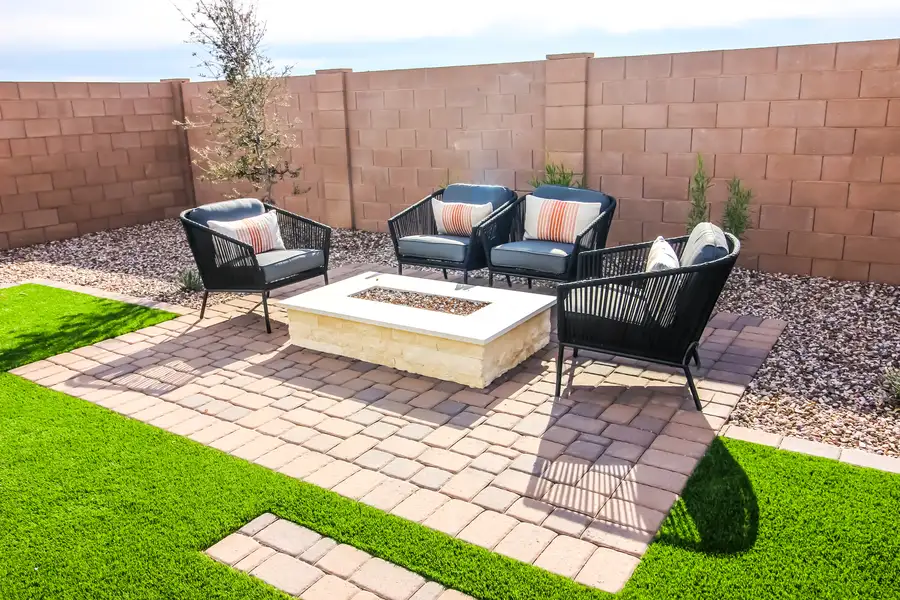
The main difference is simple. Hardscaping is the solid parts of an outdoor space, like patios, walkways, retaining walls, and stone features. Softscaping is the living part, like grass, flowers, shrubs, and trees. Both matter because a yard needs structure and plant life to look balanced, work well, and stay easy to use. If you are planning outdoor updates in Kinston, NC, knowing where each one fits can help you make better choices from the start.
Quick Decision Answer
If you want shape, function, and long-term structure, hardscaping services are the better fit. If you want color, shade, and a softer look, softscaping is the better fit. Most properties need both. A patio without plants can feel plain. A yard with only plants may lack usable space. The best choice depends on how you use your yard, how much upkeep you want, and what problems you need to solve.
Option a Vs Option B Criteria
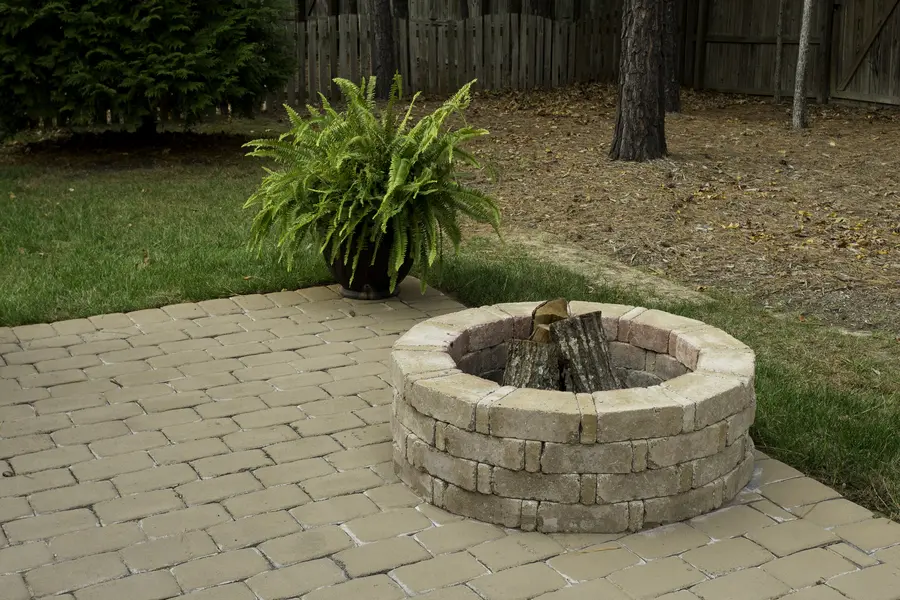
Hardscaping and softscaping do very different jobs. Hardscape features are built from stone, pavers, gravel, brick, or concrete. These features often guide traffic, reduce mud, support slopes, and create outdoor living areas. Softscape features grow and change over time. They can cool a space, add privacy, help with drainage, and make the yard feel more alive.
When comparing them, ask a few basic questions. Do you need a place to sit, walk, or park? Do you need better drainage or erosion control? Are you hoping for more flowers and curb appeal? Do you want a low-care yard or one with seasonal color? These answers help show if you need more hardscape, more softscape, or a mix of both. In many landscape and outdoor improvement projects, balance matters more than choosing just one side.
Pros and Cons List
Each option has strong points and trade-offs.
- Hardscaping services can create patios, paths, walls, and fire pit areas.
- Hardscape features often last a long time with less routine care.
- Hardscaping can improve function in problem spots with mud or slope issues.
- Hardscape materials can get hot in the sun and may feel too plain alone.
- Softscaping adds color, texture, shade, and a natural feel.
- Plants can help with privacy and make a yard feel softer.
- Softscaping changes with the seasons, which many people enjoy.
- Plants need regular water, trimming, cleanup, and replacement over time.
A good yard usually combines the two. For example, a paver patio works better with surrounding plants. A garden bed often looks cleaner with a stone edge or gravel path nearby. One supports the other.
Best Fit by Scenario and User Need
If your backyard feels hard to use after rain, hardscaping services may help first. A walkway, patio, or drainage-friendly gravel area can make the space useful again. If your front yard looks bare or flat, softscaping may give you a faster visual change. New shrubs, mulch, and flowers can improve curb appeal without changing the full layout.
Families who want room for outdoor meals, play areas, or a fire feature often start with hardscape elements. Homeowners who want pollinator plants, shade trees, or more privacy often lean toward softscape work. If you have a steep yard, retaining walls and grading support may come first, followed by planting. If your yard already has a nice patio but feels empty, adding greenery can make it feel complete.
Mistakes People Make When Choosing
One common mistake is picking only what looks nice today without thinking about long-term use. A yard may look great in photos but fail in daily life. A second mistake is adding too many plants in tight spaces where roots, growth, and fallen leaves become a problem. Another mistake is building hardscape areas that are too large, which can make the yard feel hot, bright, and stiff.
People also forget about drainage. That can cause puddles near patios, plant stress, and messy runoff. It is also easy to miss scale. A tiny planting bed beside a large patio can look out of place. A huge retaining wall with little greenery can feel harsh. Good planning helps all parts work together.
Final Decision Checklist
Use this checklist before you move forward with a project:
- List the main problems in the yard, like mud, poor use, lack of shade, or weak curb appeal.
- Decide how you want to use the space each week.
- Set priorities for function first, then looks.
- Think about upkeep, including trimming, watering, sweeping, and seasonal cleanup.
- Check sun, slope, and drainage before choosing materials or plants.
- Plan for both structure and living elements, even if the work happens in phases.
- Match the design to the size of the yard and the style of the home.
If you still feel unsure, that usually means the yard needs a full plan instead of a quick choice. A clear layout can show where hardscaping services make the biggest impact and where plantings should soften the space.
Final Recommendation
If you are comparing ideas for your property in Kinston, NC, we can help you sort out what should be built first and what should be planted later. We at T & L Services focus on practical outdoor solutions that fit real homes and daily use. Call us at (252) 461-1210 to talk about your yard, your goals, and the next steps that make the most sense.